
How to Clean Your Richmond Home After Rain Properly
- Prioritize immediate drying: open windows, use fans, wipe wet surfaces to prevent mold within 24 to 48 hours.
- Thoroughly clean floors, carpets, and entryways: sweep, mop, shampoo rugs, clean doormats, and organize wet shoes to stop dirt spread.
- Control humidity and sanitize high-touch surfaces; if damage or persistent odors occur, hire Richmond professional cleaning services.
Rain can bring much-needed relief outdoors, but it often creates extra work inside your home. Whether it’s muddy footprints, excess moisture, or humidity buildup, cleaning your house after rain is essential to maintaining a healthy and comfortable living environment.
This guide walks you through exactly how to clean your home after rainfall and prevent long-term issues like mold, odors, and damage.
Why Cleaning After Rain Is Important
After a storm, your home can quickly accumulate moisture and dirt. Even small amounts of water tracked inside can lead to bigger problems if not addressed promptly.
Key reasons to clean after rain include:
- Preventing mold and mildew growth
- Avoiding damage to floors and furniture
- Eliminating bacteria and contaminants
- Maintaining indoor air quality
Homes in areas with frequent rain or humidity are especially vulnerable to lingering moisture issues.
Common Problems Caused by Rain Indoors
Rain can impact multiple areas of your home, often in ways that aren’t immediately visible.
Some of the most common issues include:
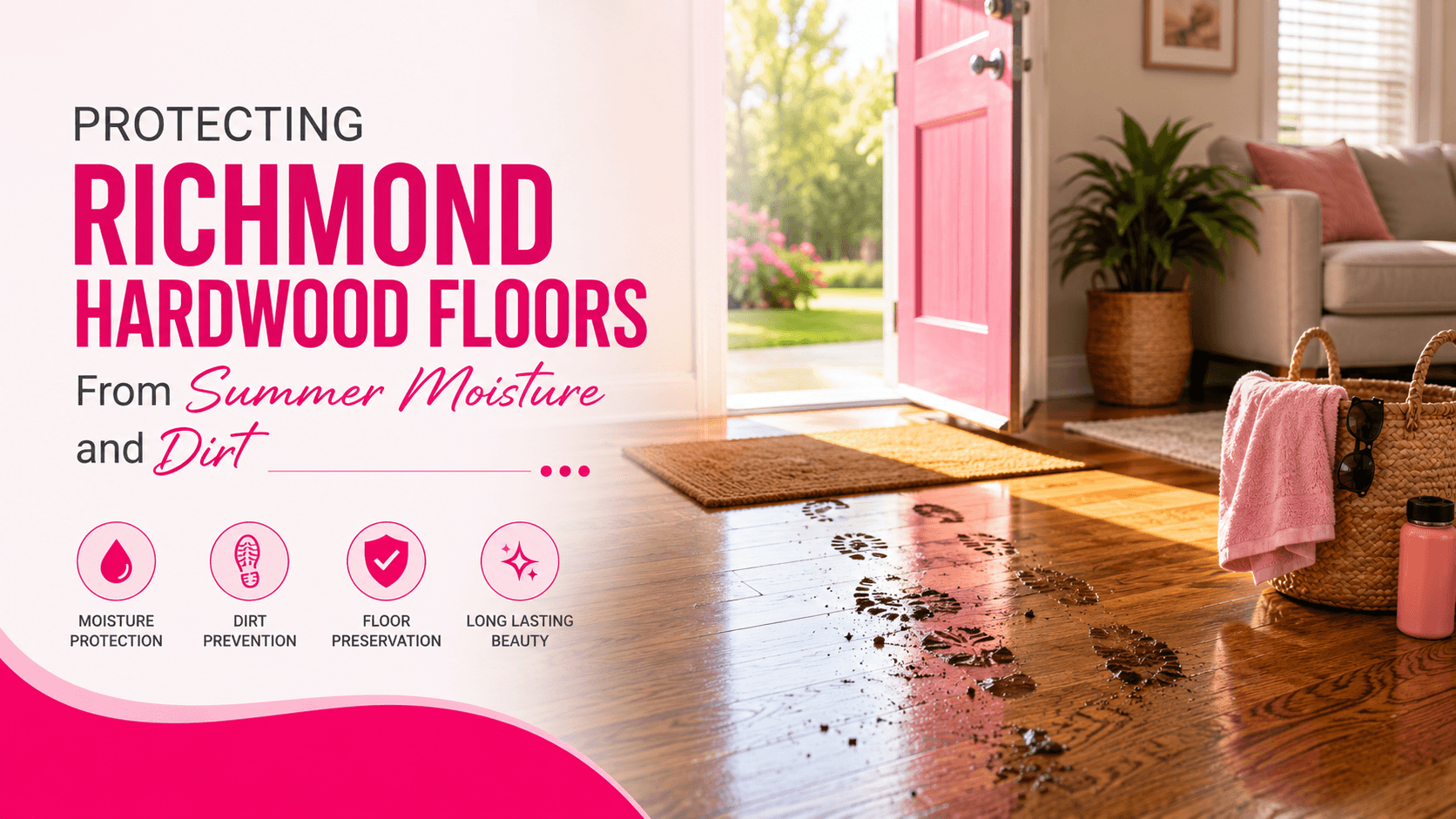
- Mud and debris tracked onto floors
- Damp carpets and rugs
- Water spots on walls or ceilings
- Increased humidity levels
- Musty odors developing over time
Identifying these problems early makes cleaning more effective and prevents costly repairs later.
Step-by-Step Guide to Cleaning Your House After Rain
A structured approach ensures no area is overlooked and helps restore your home quickly.
Remove Moisture and Dry Surfaces
Start by addressing any moisture inside your home.
- Open windows and doors if weather allows
- Use fans to improve air circulation
- Wipe down wet surfaces immediately
- Place towels or mats in damp areas
Drying is the most important first step, as lingering moisture can lead to mold growth.
Clean Floors and Carpets
Floors take the biggest hit after rain, especially near entrances.
- Sweep or vacuum to remove dirt and debris
- Mop hard floors to eliminate mud and residue
- Shampoo carpets or rugs if they’ve absorbed moisture
- Pay extra attention to entryways and hallways
Keeping floors clean prevents dirt from spreading throughout your home.
Wipe Down Walls and Windows
Rain can leave marks and moisture on vertical surfaces.
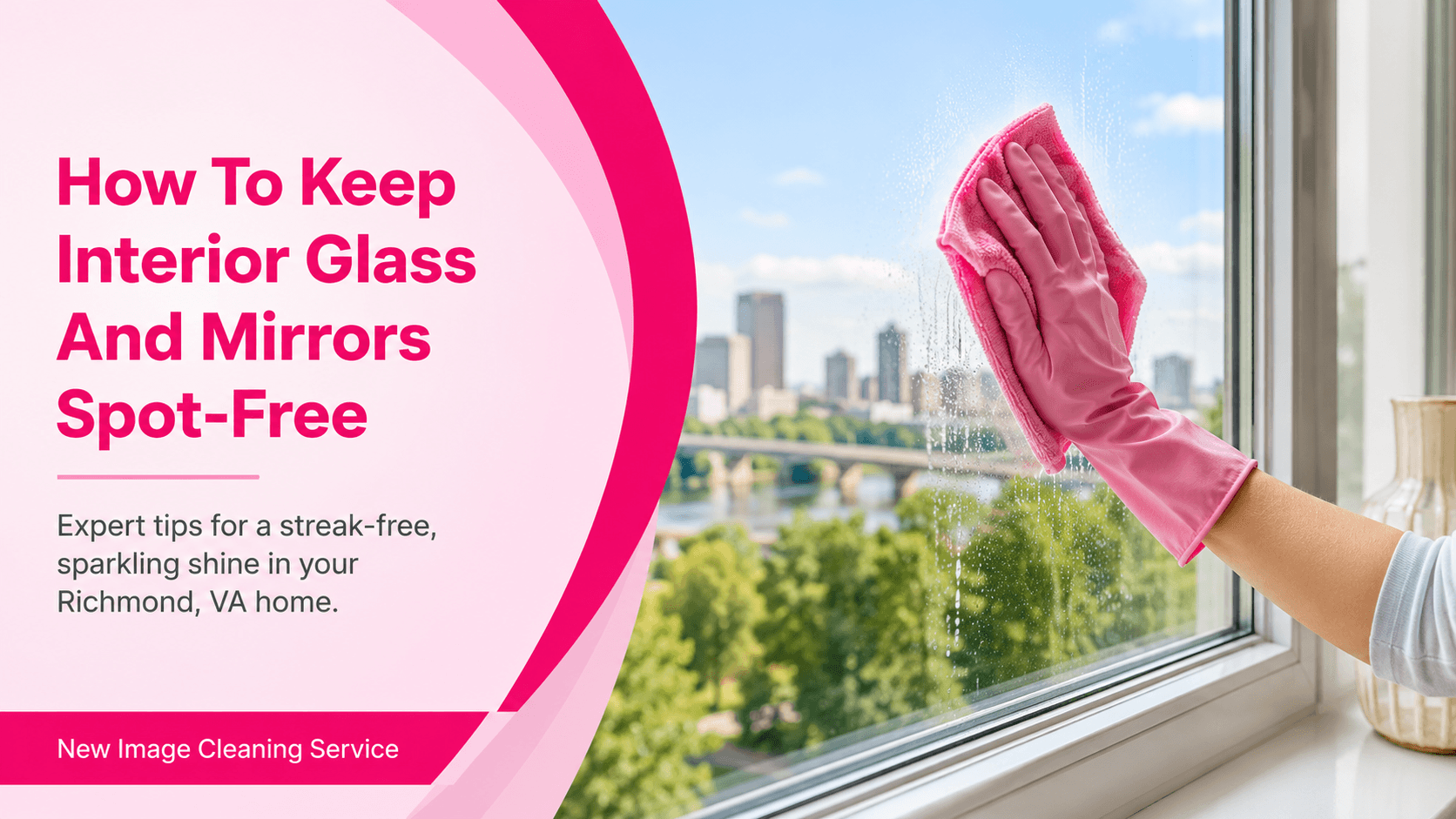
- Clean windows to remove water spots
- Wipe down walls near doors and windows
- Check for condensation or streaks
- Dry any damp areas thoroughly
This step helps maintain both cleanliness and appearance.
Sanitize High-Touch Areas
After rain, bacteria can be introduced into your home through shoes, pets, and outdoor items.
Focus on:
- Door handles
- Light switches
- Countertops
- Frequently used surfaces
Sanitizing these areas reduces the risk of germs spreading indoors.
Check and Clean Entry Points
Entryways are the main source of rain-related mess.
- Clean doormats or replace if soaked
- Wipe down doors and thresholds
- Organize shoes and wet items
- Remove standing water near entrances
A clean entryway helps prevent future mess from spreading inside.
Preventing Mold and Odors After Rain
One of the biggest concerns after rain is the development of mold and unpleasant smells.
To prevent this:
- Keep humidity levels low with ventilation
- Dry damp fabrics and furniture quickly
- Avoid leaving wet items indoors
- Clean spills and moisture immediately
Acting quickly is key—mold can begin forming within 24–48 hours in damp conditions.
When to Consider Professional Cleaning Services
In some cases, standard cleaning may not be enough—especially after heavy rain or repeated exposure to moisture.
Professional cleaning services can help with:
- Deep carpet and floor cleaning
- Thorough sanitation of affected areas
- Removing stubborn odors
- Addressing hard-to-reach moisture buildup
This is particularly useful for larger homes or when time is limited.
Conclusion
Cleaning your house after rain is more than just tidying up—it’s about protecting your home from moisture damage, bacteria, and long-term issues like mold. By acting quickly and following a thorough cleaning routine, you can keep your living space fresh, dry, and comfortable no matter how often it rains. If the job feels overwhelming or moisture problems persist, professional cleaning services can provide the deep care your home needs to stay in top condition.
Share this article
Related Posts



Follow us
A quick overview of the topics covered in this article.