Richmond Spring Cleaning Guide: Preparing Your Home for Pollen Season
Why Spring Cleaning in Richmond Requires a Strategic Approach
Spring in Richmond, VA brings warmer temperatures, blooming landscapes, and unfortunately, a surge in airborne pollen. While the season offers visual beauty outdoors, it presents a significant challenge indoors—especially for allergy sufferers, families with children, and remote professionals who spend extended time at home.
Pollen particles are microscopic, lightweight, and persistent. They enter homes through open windows, HVAC systems, clothing, pets, and even small structural gaps. Once inside, they settle into carpets, upholstery, baseboards, and air vents, creating a continuous cycle of indoor exposure.
This Richmond spring cleaning guide is designed to provide a structured, results-driven approach to minimizing indoor allergens. By implementing targeted cleaning techniques and leveraging professional expertise, homeowners can significantly improve indoor air quality and overall comfort during peak pollen season.
Understanding Richmond’s Pollen Problem
Why Richmond Experiences High Pollen Levels
Richmond’s geographic and environmental conditions contribute to elevated pollen counts each spring. The region’s dense tree canopy, combined with fluctuating temperatures and wind patterns, creates ideal conditions for pollen distribution.
Common contributors include:
- Tree pollen from oak, pine, and maple
- Grass pollen emerging later in the season
- Wind-driven circulation that carries pollen into residential areas
These particles do not remain outdoors. Instead, they infiltrate indoor environments where they accumulate over time.
How Pollen Enters and Spreads Inside Your Home
Even well-maintained homes are vulnerable to pollen intrusion. Common entry points include:
- Open doors and windows
- HVAC systems circulating outdoor air
- Shoes, clothing, and bags
- Pets carrying pollen on fur
Once inside, pollen settles into:
- Carpet fibers
- Upholstered furniture
- Bedding and curtains
- Air vents and ductwork
Without consistent intervention, these allergens recirculate daily, impacting respiratory health and comfort.
The Health Impact of Indoor Allergens
Who Is Most Affected?
Indoor pollen buildup can affect anyone, but it is particularly problematic for:
- Individuals with seasonal allergies
- Families with young children
- Remote workers spending extended hours indoors
- Seniors with respiratory sensitivities
Common Symptoms Linked to Indoor Pollen
- Sneezing and nasal congestion
- Itchy eyes and throat irritation
- Fatigue and reduced productivity
- Worsening asthma symptoms
Reducing indoor allergens is not simply a matter of cleanliness—it is a critical step toward maintaining a healthier living environment.
Step-by-Step Spring Cleaning Strategy for Allergen Reduction
1. Prioritize High-Traffic Entry Points
Your home’s entryways act as the first line of defense against pollen intrusion.
Recommended actions:
- Clean and disinfect door handles and surrounding surfaces
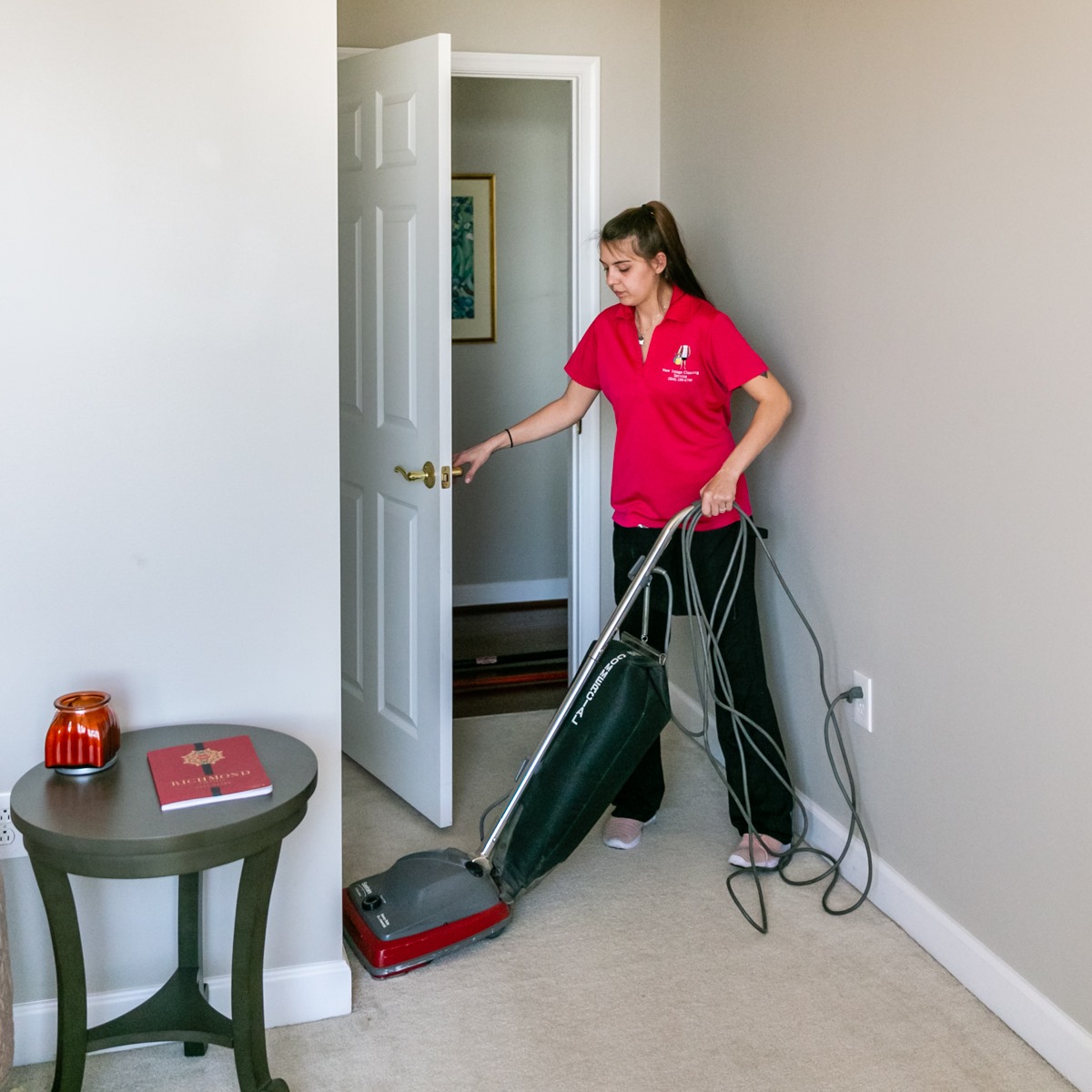
- Vacuum and mop entry floors frequently
- Use designated indoor footwear or shoe-free policies
- Wipe down frequently touched surfaces daily
This initial containment strategy helps limit how much pollen spreads deeper into your home.
2. Focus on Dust and Pollen Removal from Surfaces
Dust and pollen often accumulate on flat and vertical surfaces throughout the home.
Key areas to address:
- Baseboards and trim
- Window sills and blinds
- Shelving and decorative items
- Ceiling fans and light fixtures
Use a systematic top-to-bottom cleaning approach to prevent redistributing particles.
3. Deep Clean Carpets, Rugs, and Upholstery
Soft surfaces act as reservoirs for pollen and dust, making them a priority during spring cleaning.
Effective strategies include:
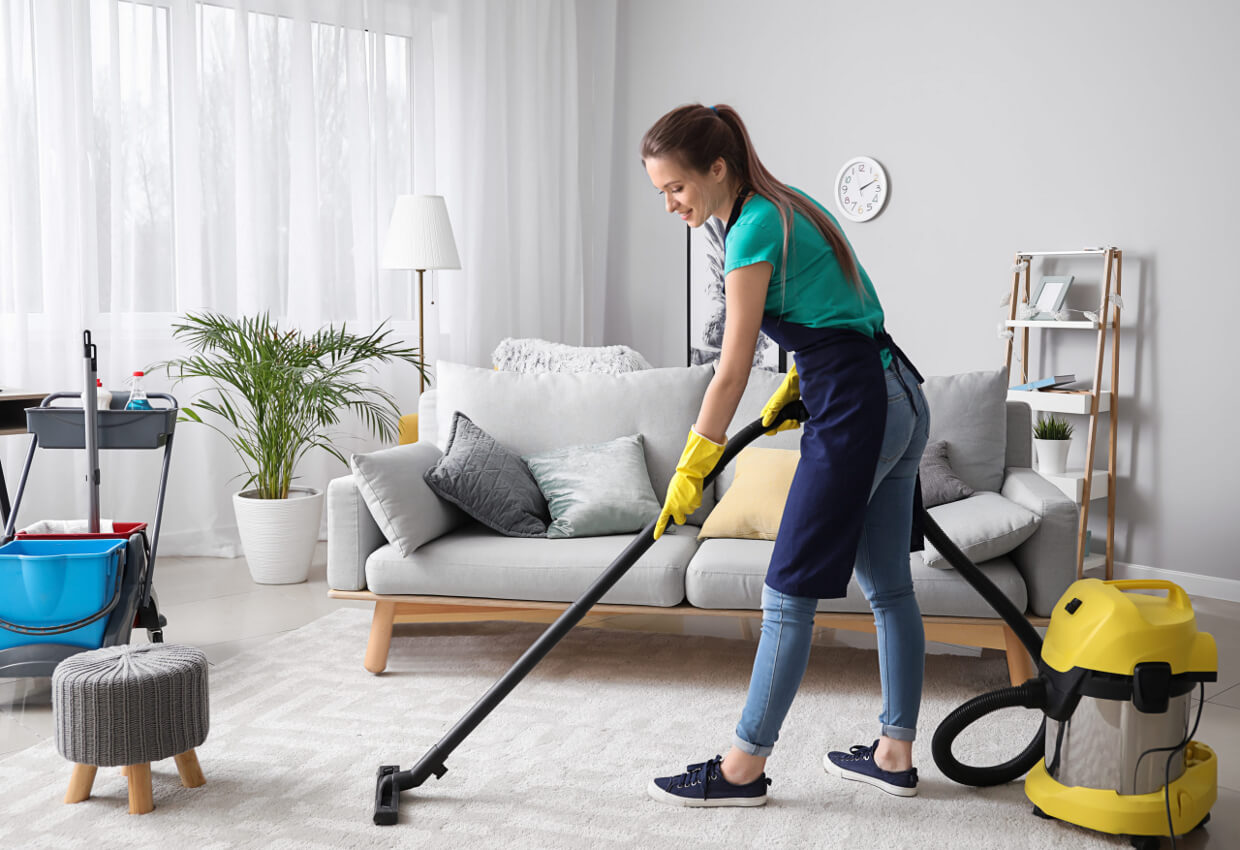
- Thorough vacuuming of all carpeted areas
- Cleaning area rugs and under furniture
- Upholstery cleaning for sofas, chairs, and cushions
- Mattress and bedding maintenance
These materials trap allergens and release them back into the air with daily movement, making regular deep cleaning essential.
4. Address Air Vents and Circulation Points
Air vents play a crucial role in distributing both clean and contaminated air throughout your home.
Important cleaning steps:
- Remove and clean vent covers
- Dust and wipe accessible duct openings
- Ensure vents are free from visible debris
- Inspect airflow efficiency
Neglecting this area allows allergens to circulate continuously, undermining other cleaning efforts.
5. Clean and Refresh Bedrooms for Better Sleep
Bedrooms should be a priority during pollen season, as they directly impact rest and recovery.
Focus areas:
- Wash bedding, pillowcases, and linens frequently
- Clean headboards and nightstands
- Dust lamps, frames, and electronics
- Vacuum floors and under beds
A clean sleeping environment reduces nighttime allergen exposure and improves overall sleep quality.
6. Maintain Kitchens and Dining Areas
While kitchens are not the primary source of pollen, they require attention to prevent cross-contamination.
Recommended actions:
- Wipe down countertops and cabinet surfaces
- Clean appliance exteriors and handles
- Sanitize dining tables and chairs
- Sweep and mop floors regularly
Keeping these spaces clean ensures a healthier environment for meal preparation and family gatherings.
Whole-Home Deep Cleaning: The Most Effective Defense
Why Standard Cleaning Is Not Enough
Routine cleaning addresses surface-level dirt but often fails to eliminate deeply embedded allergens. Pollen particles are small and can settle into hard-to-reach areas, requiring a more comprehensive approach.
What Whole-Home Deep Cleaning Includes
A professional-level deep clean typically covers:
- Detailed dust removal across all surfaces
- Intensive carpet and floor care
- Thorough cleaning of baseboards and corners
- Attention to overlooked areas such as behind furniture
- Complete room-by-room sanitation
This level of cleaning ensures that allergen sources are significantly reduced rather than temporarily displaced.
The Role of Recurring Cleaning Plans in Allergen Control
Why One-Time Cleaning Is Not Sufficient
Spring pollen is not a one-time event—it persists for weeks or even months. Without ongoing maintenance, allergens quickly return.
Benefits of Recurring Cleaning Services
- Consistent dust and pollen removal
- Reduced allergen buildup over time
- Improved indoor air quality
- Less stress for homeowners managing busy schedules
Recurring cleaning provides a proactive solution rather than a reactive one, ensuring your home remains clean throughout the entire season.
Practical Daily Habits to Reduce Indoor Allergens
In addition to deep cleaning, small daily habits can significantly reduce pollen accumulation.
Simple Yet Effective Practices
- Keep windows closed during high pollen days
- Change clothes after spending time outdoors
- Wipe down pets after outdoor activity
- Regularly clean frequently touched surfaces
- Maintain a consistent cleaning schedule
These actions complement your broader cleaning strategy and help maintain a healthier indoor environment.
Why Professional Cleaning Services Make a Difference
The Advantage of Expertise and Efficiency
Professional cleaners bring structured processes, specialized tools, and attention to detail that go beyond standard household cleaning routines. They are trained to identify hidden allergen sources and address them effectively.
Key Benefits for Richmond Homeowners
- Comprehensive dust and pollen removal
- Time savings for busy households
- Consistent cleaning quality
- Customized cleaning plans tailored to your home
When managing Richmond’s heavy pollen season, professional support becomes an essential component of maintaining indoor comfort.
Why Choose New Image Cleaning Service in Richmond, VA
For homeowners seeking a reliable and effective solution, New Image Cleaning Service offers a strategic approach to spring cleaning and allergen reduction.
What Sets Them Apart
- Detailed whole-home cleaning services
- Targeted dust and pollen removal techniques
- Flexible scheduling for recurring cleaning plans
- Commitment to maintaining high indoor cleanliness standards
By focusing on thorough, consistent cleaning, New Image Cleaning Service helps Richmond residents create healthier living environments during peak allergy season.
Creating a Spring Cleaning Checklist for Richmond Homes
To ensure no area is overlooked, use the following checklist as a guide:
Entryways
- Clean floors and mats
- Wipe doors and handles
Living Areas
- Dust all surfaces
- Clean upholstery and floors
Bedrooms
- Wash bedding
- Vacuum floors and under furniture
Kitchen
- Sanitize surfaces
- Clean appliances
Bathrooms
- Disinfect high-touch areas
- Clean floors and fixtures
Air Circulation
- Clean vents and surrounding areas
This structured approach ensures a comprehensive cleaning process that effectively reduces indoor allergens.
Long-Term Strategies for Maintaining Indoor Air Quality
Maintaining a clean home during pollen season requires consistency and planning.
Key Strategies
- Schedule recurring cleaning services
- Perform regular maintenance cleaning
- Monitor pollen levels in Richmond
- Adjust cleaning frequency during peak periods
By combining professional services with consistent upkeep, homeowners can significantly reduce allergen exposure and maintain a healthier indoor environment year-round.
Conclusion: Take Control of Your Indoor Environment This Spring
Richmond’s spring pollen season presents a recurring challenge, but with the right strategy, it is entirely manageable. A combination of targeted cleaning techniques, whole-home deep cleaning, and recurring maintenance can dramatically improve indoor air quality and reduce allergen exposure.
For homeowners looking to simplify the process and achieve superior results, partnering with a trusted house cleaning service in Richmond, VA is a practical and effective solution.
New Image Cleaning Service stands ready to help you take control of your indoor environment—delivering consistent, high-quality cleaning that supports your health, comfort, and peace of mind throughout the spring season.
Share this article
Related Posts


Follow us
A quick overview of the topics covered in this article.